
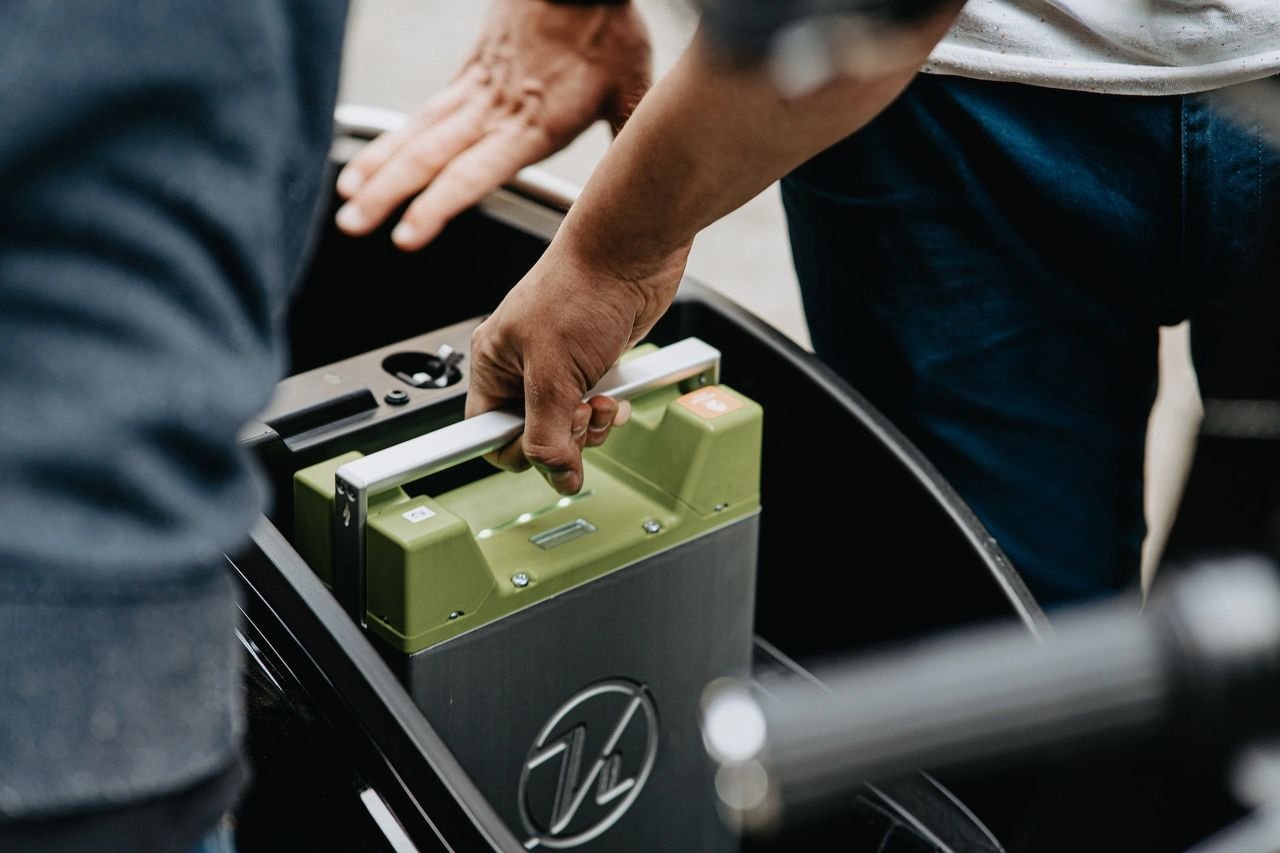
We’ve all been there: you’re out and about, relying on your device for directions or important calls, and suddenly, your battery dies. It’s not just inconvenient; it’s downright frustrating. This situation is often due to something called parasitic power loss, a sneaky little issue that can drain your battery without your knowledge. But fear not, tech warriors! This guide is here to help you diagnose and prevent parasitic power loss so you can keep your devices running smoothly and efficiently.
In the digital age, our lives are largely powered by batteries. From smartphones and laptops to electric cars, these little energy boxes are pivotal in keeping our world spinning. But like any hero, they have their weakness—battery drain. And one of the biggest culprits is parasitic power loss. This phenomenon happens when applications or components continue to consume power even when they’re not in active use. Think of it as a tiny vampire, silently sucking the life out of your battery.
But don’t despair; it’s not all doom and gloom. Just as garlic repels vampires, knowledge and a few simple strategies can ward off parasitic power loss. This guide will take you on a journey to understanding the in’s and out’s of your battery, teaching you how to diagnose issues and prevent future ones from occurring. With a little time and patience, you can reclaim control over your battery life.
So, say goodbye to unexpected shutdowns, emergency charging sessions, and the constant fear of a dying battery. With this guide, you’ll be well on your way to a longer battery life and a less stressful relationship with your devices.
Common Culprits of Parasitic Battery Drain
Understanding the usual suspects behind parasitic battery drain can help you quickly identify and resolve issues. Some common causes include:
1. Interior and Exterior Lights:
Faulty door switches, improper switching off of lights, or malfunctioning sensor systems can lead to lights remaining on even when your vehicle is turned off, causing battery drain over time.
2. Aftermarket Electronics:
Improper installation or faulty wiring of aftermarket electrical devices like stereo systems, alarm systems, or GPS devices can lead to parasitic battery drain.
3. Faulty Charging System:
A malfunctioning alternator or voltage regulator can lead to an excessive or insufficient charge being sent to your battery, eventually causing battery drain.
4. Failed or Stuck Relays:
Relays act as electrical switches, managing the flow of power to various components in your vehicle. A failed or stuck relay can cause a continuous flow of power even when the engine is turned off, leading to battery drain.
Step-By-Step Diagnostic Process for Parasitic Battery Drain
1. Preliminary Battery Inspection:
Before diving into an extensive diagnostic process, perform a quick visual inspection of your battery and connections. Ensure the battery terminals are clean and free of corrosion, and the connections are tight.
2. Voltage Test:
Using a multimeter, measure the voltage across the battery terminals with the engine off. A fully charged battery should read 12.6 volts or higher. If the voltage is lower, charge your battery and retest before proceeding.
3. Current Draw Test:
With the engine off and all accessories and lights turned off, set the multimeter to measure DC amperage (usually the 10A scale). Disconnect the negative battery cable and connect the multimeter between the disconnected cable and the negative battery terminal. The current reading should be below 50 milliamps; anything higher may indicate parasitic battery drain.
4. Component Isolation:
To isolate the issue, begin removing fuses one by one while monitoring the multimeter. When the current drops significantly upon removing a specific fuse, you have likely identified the circuit responsible for the parasitic battery drain. Refer to your vehicle’s manual to determine which components are associated with the identified fuse.
5. Final Verification and Repair:
Once you have isolated the problem component(s), perform a final verification by reconnecting the fuse and monitoring the multimeter. If the current increases again, consult a professional mechanic to address the component or wiring issue causing the parasitic battery drain.
Practical Tips for Preventing Parasitic Battery Drain
1. Regular Electrical System Checks:
Perform regular checks of your vehicle’s electrical systems, including lights, switches, and wiring. Timely identification of issues can help prevent battery drain caused by faulty components.
2. Proper Installation of Aftermarket Electronics:
When installing aftermarket electronic devices, ensure they are wired correctly and professionally to avoid battery drain due to improper connections or voltage draw.
3. Observe Parasitic Battery Drain Symptoms:
Pay attention to symptoms of battery drain, such as frequent jump-starts, slow cranking of the engine, or dimming of your interior or dashboard lights. Address these symptoms promptly to prevent damage to your battery or other electrical components.
4. Vehicle Storage Practices:
When storing your vehicle for extended periods, consider disconnecting the battery or using a battery maintainer to keep it charged, preventing battery drain caused by prolonged inactivity.
Battling with Battery Drain: Understanding Parasitic Power Loss
Parasitic battery drain can be a frustrating and challenging issue to diagnose and resolve. By identifying common culprits, employing a systematic diagnostic approach, and implementing preventive measures, you can effectively address and prevent battery drain problems.
Keeping your vehicle’s electrical systems functioning optimally not only prolongs the life of your battery but also ensures your car remains dependable and reliable on the road. Should you ever require professional assistance with diagnosing or resolving battery drain issues, the skilled team at Andrew’s Tune-Ups is here to help.
Keep your vehicle’s battery in top condition with professional diagnostic and auto maintenance services from Andrew’s Tune-Ups. Schedule an appointment today for exceptional service and peace of mind on the road.